
What is Adaptive Investment Management, and Why Does it Matter Now?
Why do we focus on adaptive investment management?
Because markets do not stand still. Bull markets give way to bear markets. Low-volatility stretches erupt into turbulence. Sectors that led last year become laggards the next.
Yet most investment portfolios are built as though none of this will happen. For example: a static mix of stocks and bonds, rebalanced once a year, left to weather whatever comes.
Adaptive investment management takes a different approach.
Rather than locking into a fixed allocation and hoping for the best, an adaptive strategy uses systematic, rules-based signals to shift portfolio positioning as market regimes change.
The goal: participate in rising markets, reduce exposure during sustained declines, and rotate capital toward the asset classes and sectors showing the strongest relative momentum.
At ARTAIS Capital Management, adaptive investing is not a peripheral add-on. It is our entire philosophy.
Our name says it directly: Absolute Returns Through Adaptive Investment Strategies. Every portfolio decision we make flows from a disciplined, evidence-based process designed to adapt when market conditions shift.
The Problem with Static Portfolios
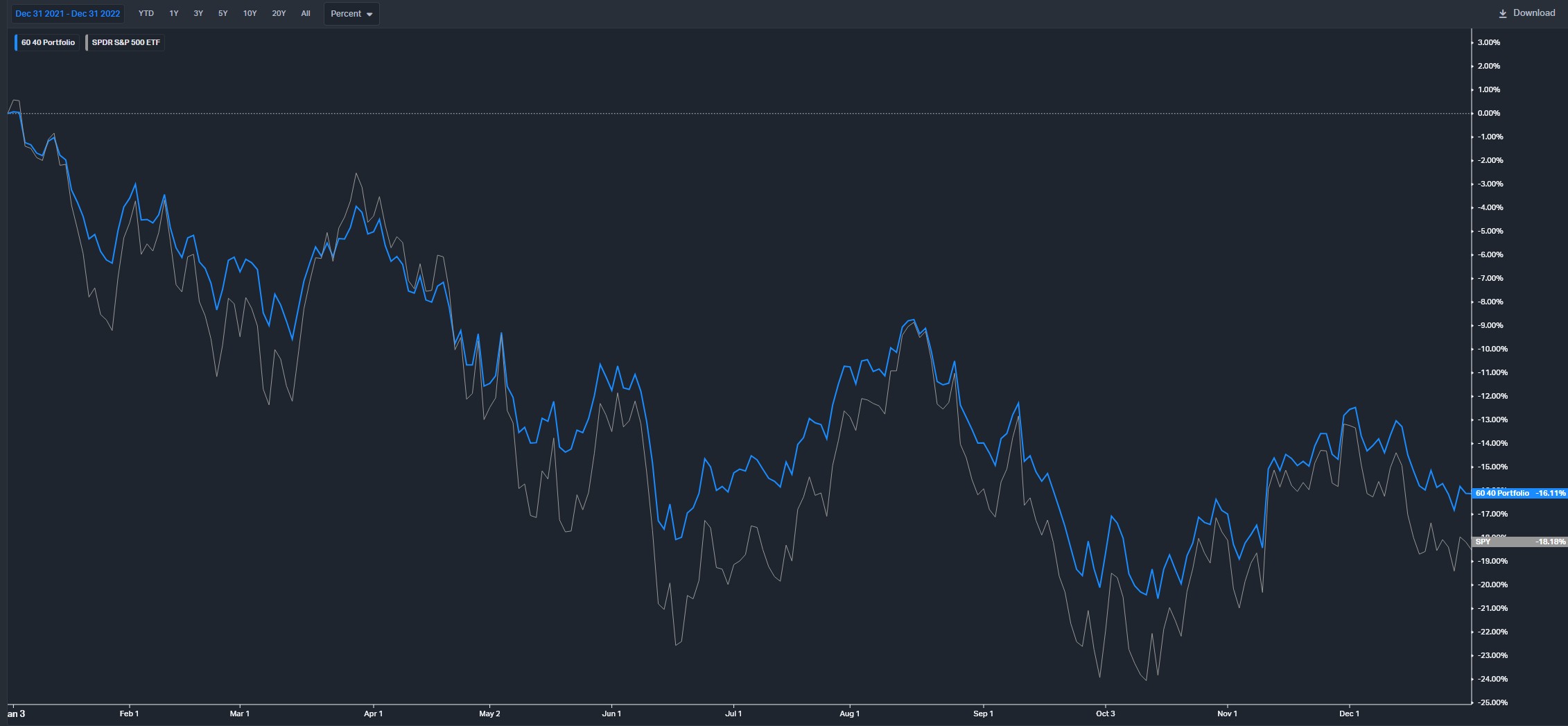
The traditional 60/40 portfolio has been a default recommendation for decades. For long stretches, it works well enough.
But the last 25 years have exposed a structural weakness: it cannot protect capital when it matters most.
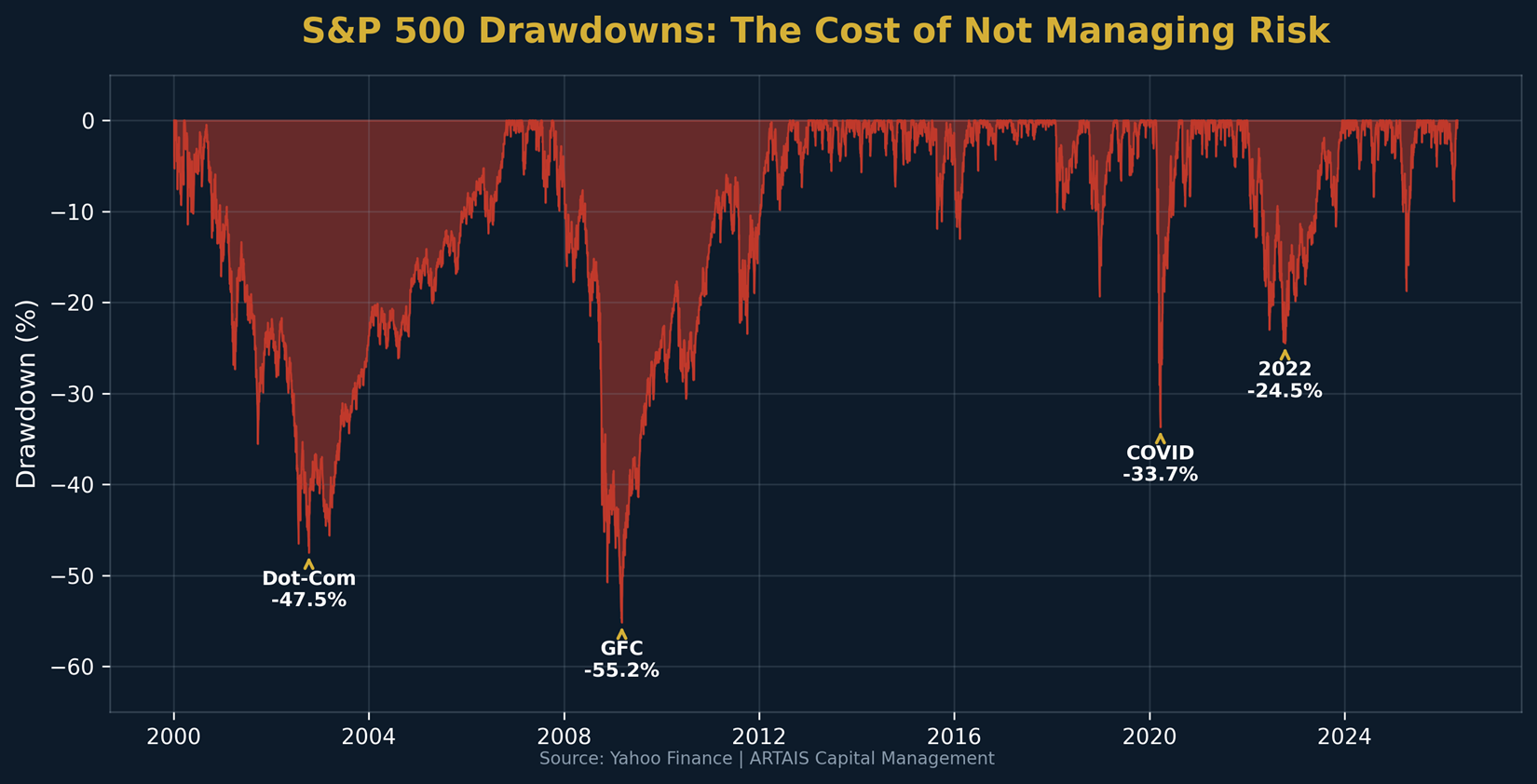
Consider what buy-and-hold investors actually endured:
- Dot-com crash (2000-2002): The S&P 500 fell 49.1% peak to trough.
- Global Financial Crisis (2007-2009): A 56.8% decline that wiped out a decade of gains.
- COVID-19 (2020): A 33.9% plunge in just 23 trading days.
- 2022 rate-hike selloff: A 25.4% decline as inflation and aggressive Fed tightening hammered stocks and bonds simultaneously.
Four bear markets in 22 years. Each one punished investors who had no mechanism to reduce risk when conditions deteriorated.
Why Losses Hurt More than Gains
The math of compounding works against a static portfolio during drawdowns, as losses and gains are not symmetrical.
A 50% loss does not require a 50% gain to recover. It requires 100%. A 30% loss demands a 43% gain just to break even. The deeper the drawdown, the steeper the climb back.
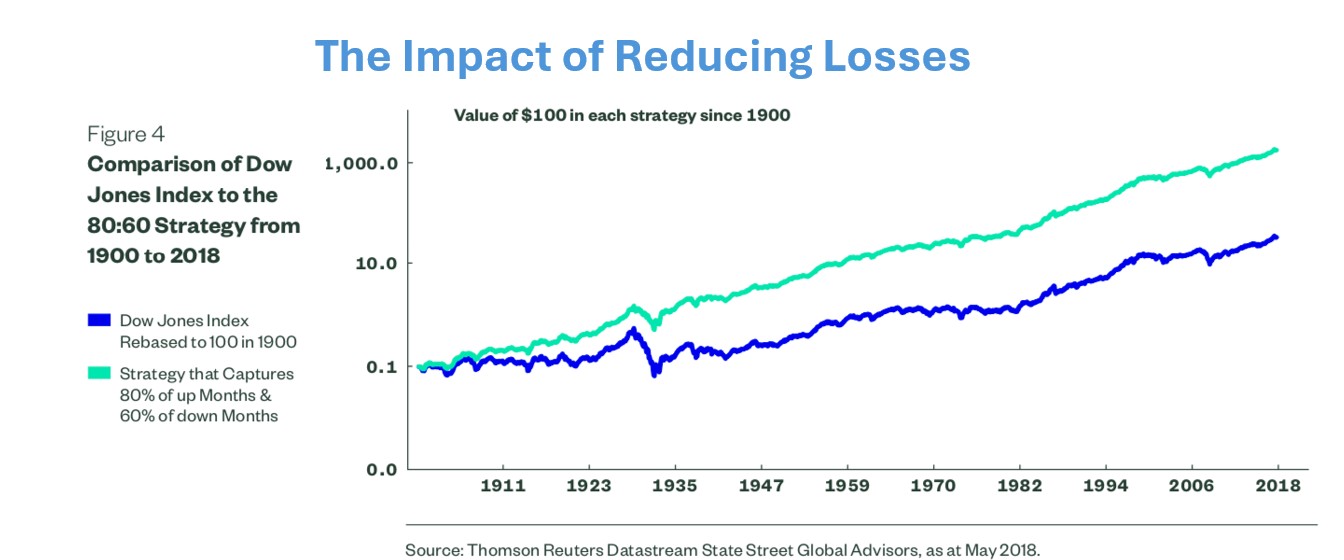
This asymmetry matters more than most investors realize.
Someone who avoids even a portion of a major drawdown can outperform over a full market cycle, not because they captured more upside, but because they had less ground to recover.
How Adaptive Investment Management Works
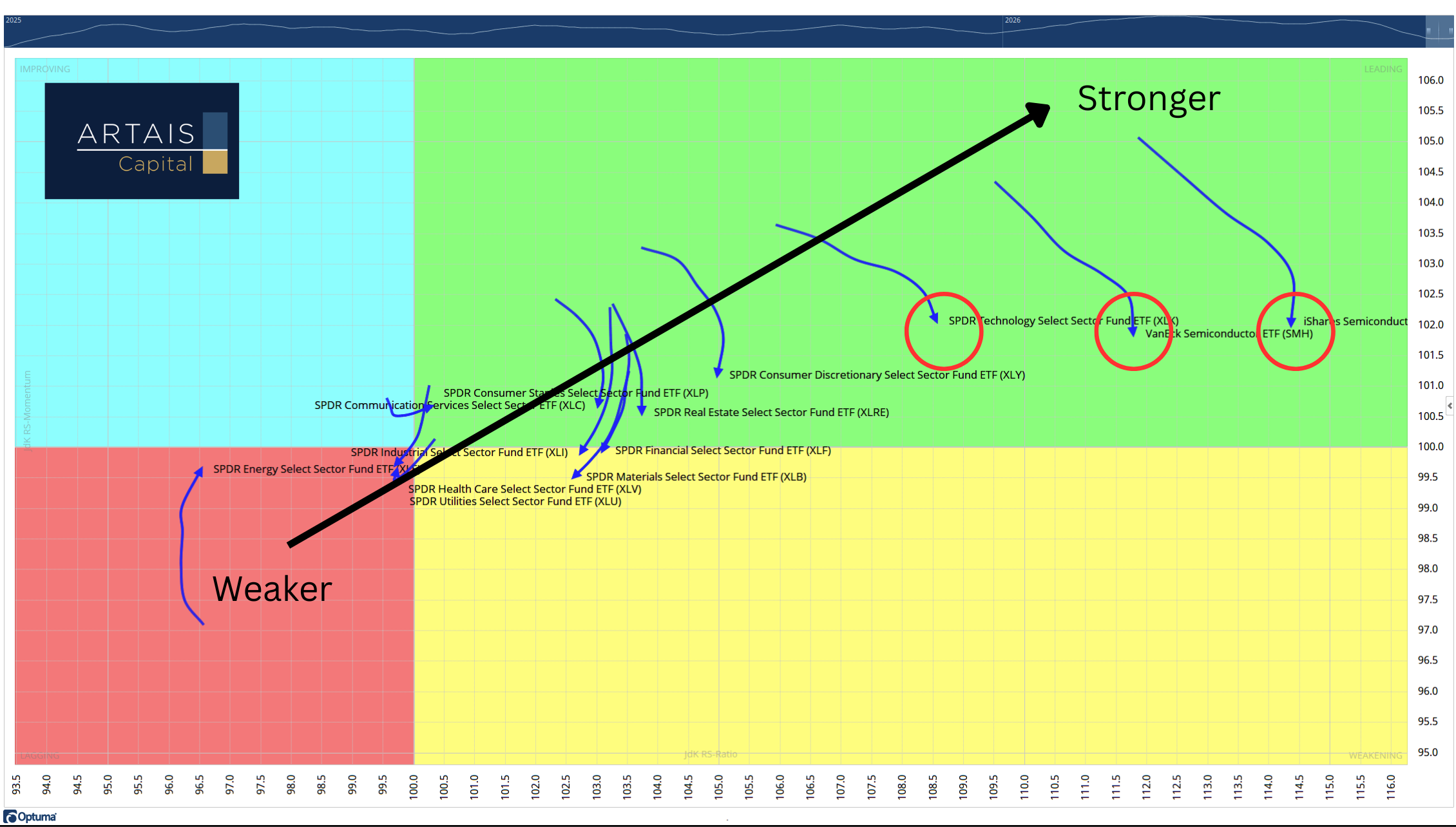
An adaptive strategy does not try to predict the future. It responds to what the market is doing right now, using measurable, repeatable signals rather than forecasts or gut instinct.
At ARTAIS Capital Management, our adaptive process rests on three pillars:
1) Market regime identification. Markets cycle through distinct regimes: trending, mean-reverting, low-volatility, high-volatility. Our systematic models identify which regime is in effect using technical indicators like momentum trends, macro and sector rotation, and long, medium and short term trends. When the regime shifts, the portfolio shifts with it.
2) Tactical asset allocation. Rather than maintaining a fixed allocation, we adjust exposure across equities vs cash based on where the evidence points. In a confirmed uptrend with rising momentum, the portfolio leans into equities. When momentum deteriorates and risk signals escalate, we systematically reduce exposure and move to more defensive positioning and/or cash.
3) Sector and asset class rotation. Not all sectors move together. During the 2022 selloff, the S&P 500 fell 25.4%, but energy stocks gained over 59%. In 2020, technology surged while financials lagged. We seek to identify these rotations using relative strength analysis and allocate capital toward sectors demonstrating leadership, while reducing or eliminating exposure to those in decline.
The "Go Anywhere" Advantage
Most investment strategies operate within constraints. A large-cap growth fund owns large-cap growth stocks, even when large-cap growth is underperforming.
A bond fund holds bonds, even when rising rates are destroying bond values. In 2022, the Bloomberg U.S. Aggregate Bond Index posted its worst year on record with a 13.0% decline.
Adaptive investment management is not bound by these constraints. As a go-anywhere strategy, we can allocate across:
- All market sectors and subsectors
- Growth and/or value regimes
- 100% Cash when preservation of capital is the priority
This flexibility means the portfolio is never forced to ride a losing position because a mandate requires it. When the data says move, the portfolio moves.
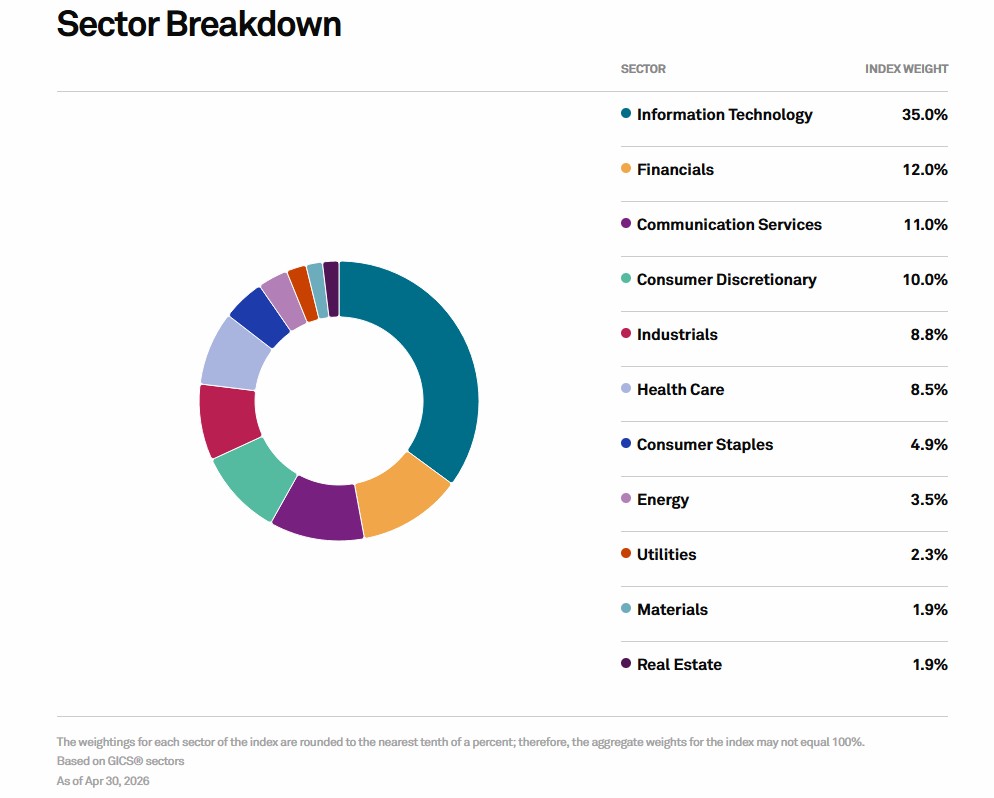
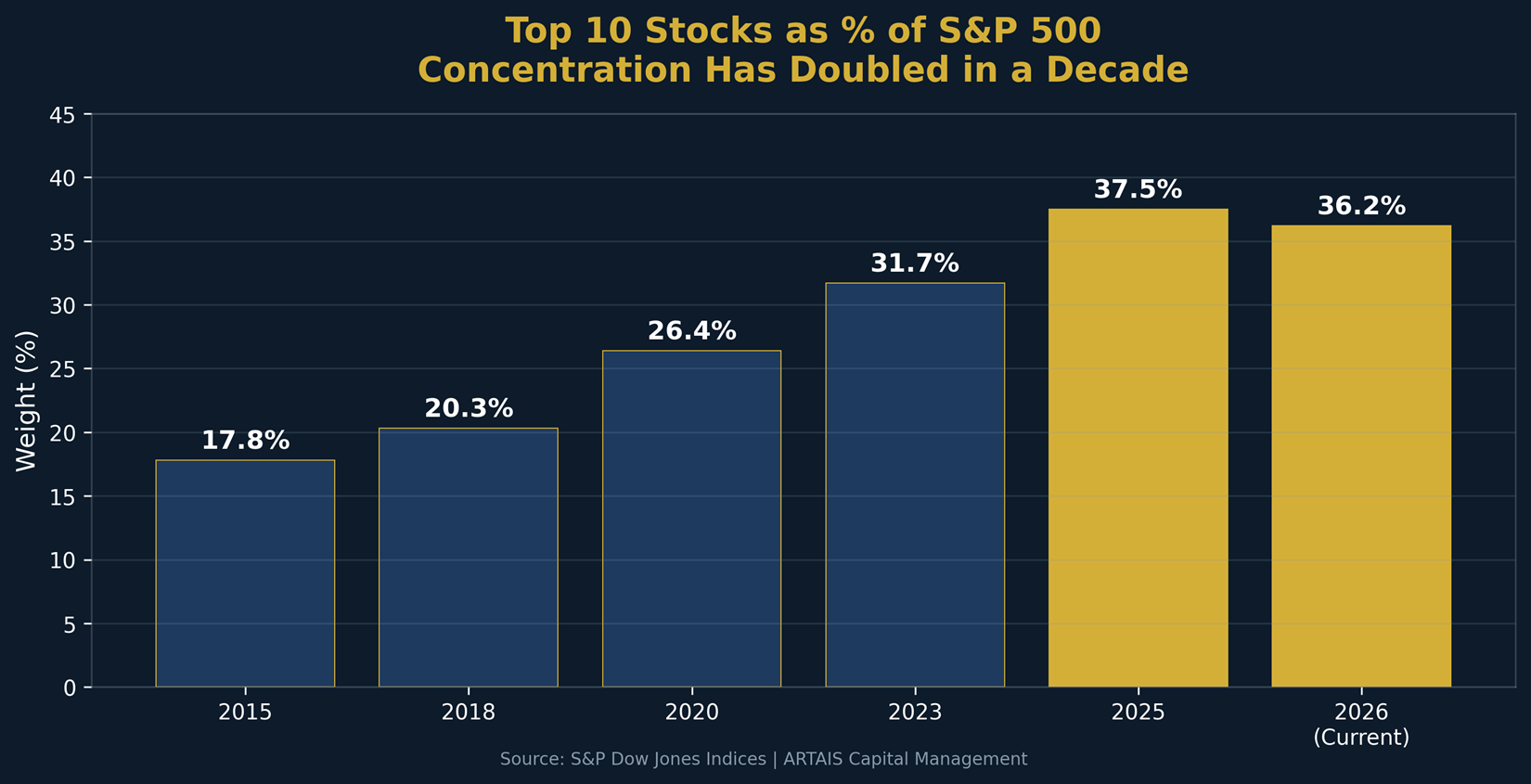
This is especially important in today's market environment as the technology sector has become a disproportionately large component of the S&P 500 Index.
Rules Over Emotion
One of the most persistent threats to long-term investment success is not market volatility. It is investor behavior.
Dalbar's annual Quantitative Analysis of Investor Behavior has consistently shown that the average equity investor underperforms the broader market over time, largely because of emotional decision-making: buying after rallies out of greed, selling during declines out of fear.
Adaptive investment management removes this vulnerability. Every decision about when to increase equity exposure, when to rotate sectors, when to raise cash is driven by a systematic, rules-based framework.
The model decides, not the mood. This discipline is most valuable during periods of extreme market stress, when emotional decisions do the most damage.
What Adaptive Investment Management is Not
Adaptive investment management is not market timing in the conventional sense.
We do not try to call tops or bottoms. We do not make binary all-in or all-out bets based on economic forecasts.
Instead, we systematically adjust portfolio positioning along a spectrum, from fully invested to fully defensive, based on the weight of evidence from our technical and quantitative models.
The distinction matters. Market timing relies on prediction. Adaptive management uses measured, systematic, and repeatable rules.
Is an Adaptive Investment Strategy Right for You?
Adaptive investment management is designed for investors who recognize that markets change and believe their portfolio should change with them.
It is for those who value downside protection as much as upside participation, and who want a disciplined, evidence-based process managing their capital rather than a static allocation left on autopilot.
At ARTAIS Capital Management, we have built our entire practice around Absolute Returns Through Adaptive Investment Strategies. As a fee-only fiduciary, our only incentive is your portfolio's performance. We do not sell products or earn commissions; instead we act as a fiduciary to all our clients.
If you would like to learn how an adaptive investment management strategy can work for your portfolio, we invite you to schedule a complimentary consultation.
____________________________________________________________
Data sources: S&P 500 drawdown data from Yahoo Finance (SPY adjusted close prices). 2022 sector ETF returns from Yahoo Finance. Bloomberg U.S. Aggregate Bond Index return from Bloomberg, January 2023. Dalbar QAIB referenced for behavioral finance data. Past performance is not indicative of future results.